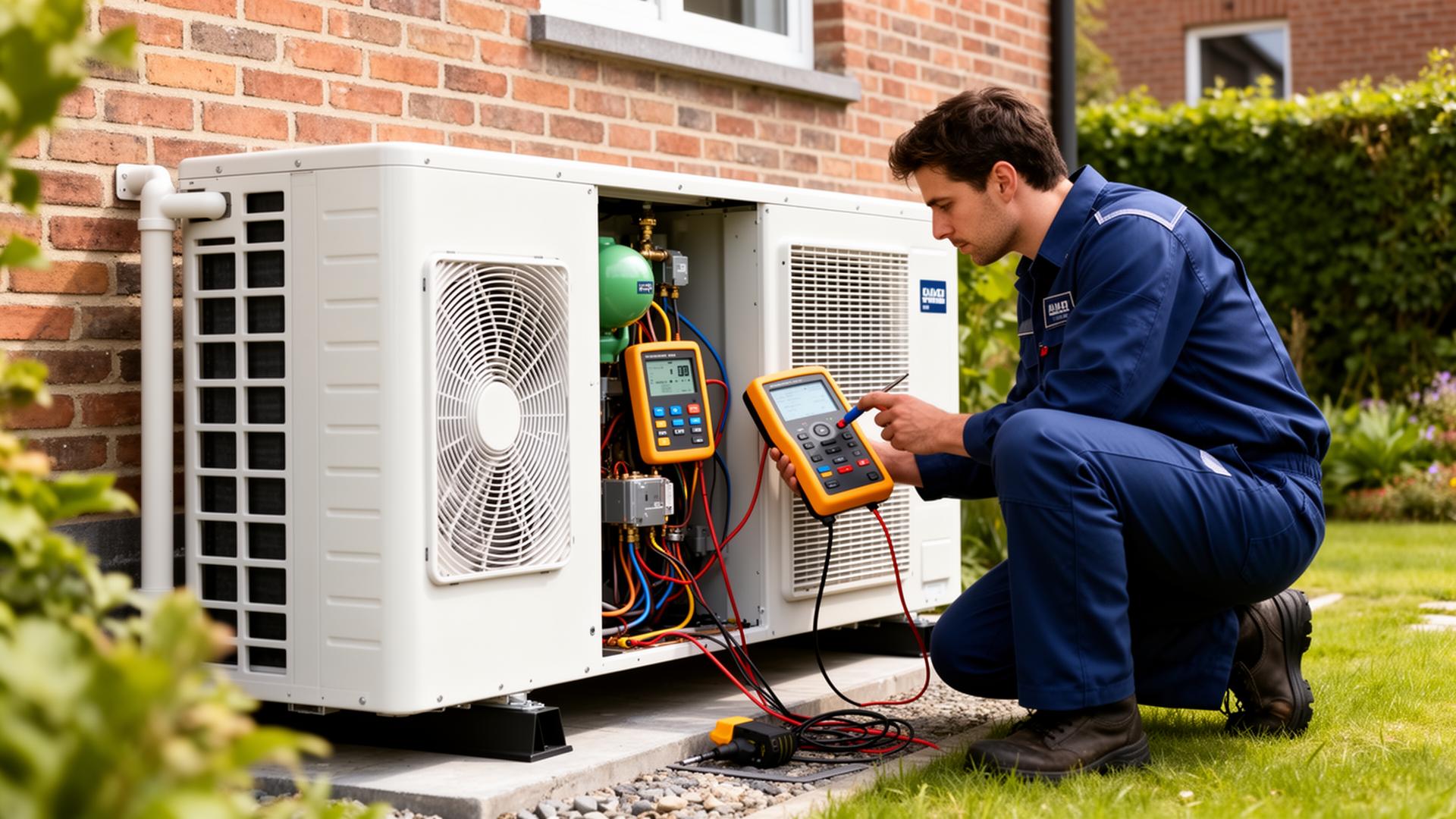
Grants & VAT
Rénopack and Rénoprêt: Wallonia's grants replaced in 2026
Wallonia's home grants ended on 30 September 2026. Since 1 October, two loans replace them: Rénopack and Rénoprêt. Conditions, ceilings, the home audit and what it means for a heating project.
· 9 min read · L'équipe technique VCN Energy
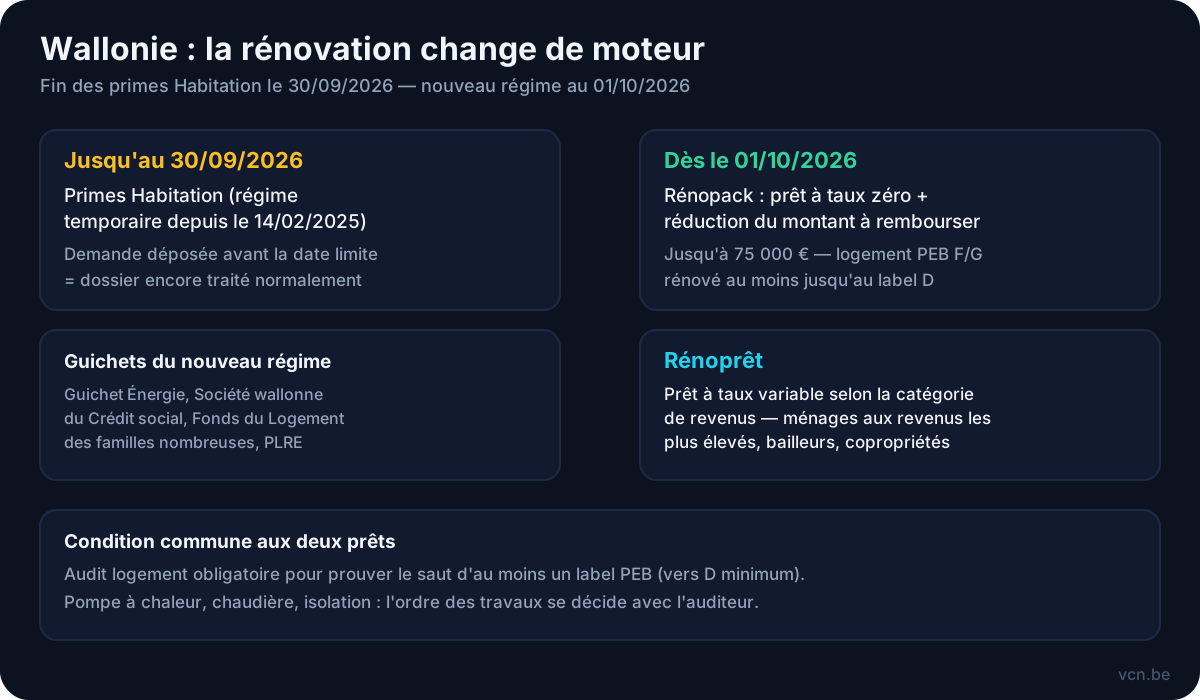
Since 1 October 2026, Wallonia's classic home renovation grants no longer exist: the temporary scheme that opened on 14 February 2025 ended on 30 September 2026, replaced by two loans, Rénopack and Rénoprêt. For anyone planning to replace a boiler or install a heat pump, the question is no longer 'which grant do I apply for' but 'which loan fits my situation, and which audit do I need first'.
Why Wallonia is changing systems in 2026
The home grant scheme launched on 14 February 2025 was announced as temporary from the start, pending a more structural instrument. A Walloon Government statement of 16 July 2026 confirmed the outline of that future scheme, and the regional housing administration confirmed the end of the temporary scheme on 30 September 2026. The change does not only affect boilers: it redefines how the Region funds any major energy renovation.
| Before 30/09/2026 | From 01/10/2026 | |
|---|---|---|
| Type of support | Grant (direct subsidy) | Loan (Rénopack or Rénoprêt) |
| Home condition | Depends on the works | EPC F or G, target at least label D |
| Prior assessment | Not systematic | Home audit required |
| Indicative ceiling | Varies by item | Up to €75,000 (single-family home) |
| Target audience | All eligible owners | Income bracket + landlords/co-ownerships for Rénoprêt |
Rénopack: a loan that acts like a grant
Rénopack is a zero-interest loan combined with a reduction of the amount to be repaid: part of what is borrowed never has to be paid back, which makes it closer to a subsidy disguised as a loan than to an ordinary one. It targets Walloon homes rated EPC F or G, provided the renovation project raises them to at least label D. The amount that can be borrowed can reach €75,000 for a single-family home.
In practice, a project combining insulation, ventilation and a heating system upgrade carries more weight toward reaching label D than a single isolated item. An air-to-water heat pump or a renovated underfloor heating system count in that calculation, but rarely on their own: the home auditor assesses the whole building.
Rénoprêt: for higher incomes, landlords and co-ownerships
Rénoprêt is a variable-rate loan, with the rate depending on the applicant household's income bracket. It is reserved for the highest income bracket, as well as for landlords and associations of co-owners who cannot claim Rénopack. It is therefore the tool for an owner renting out an EPC F or G property, or for an apartment building whose co-ownership needs to fund a shared boiler room.
The condition that applies everywhere: the home audit and the label jump
Whether for Rénopack or Rénoprêt, the new scheme requires a prior home audit: an accredited professional assesses the building's condition and calculates the label improvement needed to move from EPC F or G to D. This audit is not an isolated administrative formality — it determines the loan amount and guides the order of works, insulation first where it is missing, then a heating system matched to the insulated building.
This is where a heating engineer is useful early on: whether a current gas boiler should give way to a heat pump or whether a hybrid solution is enough depends directly on the audit's conclusions, not just on the wish to change equipment.
What about VAT on the new installation?
The change of grant scheme does not alter VAT rules: a heat pump installed by a professional stays at 6% in a private home over 10 years old, while a new gas or oil boiler has been invoiced at 21% since 29 July 2025 (circular 2025/C/47). The choice between the two therefore counts twice: VAT on one hand, access to Rénopack or Rénoprêt on the other, since these loans target an overall EPC label improvement rather than a single fossil-fuel appliance.
How VCN Energy helps prepare your file
Before applying for a Rénopack or Rénoprêt, it helps to know what your current boiler can still handle and what replacing it would involve. VCN Energy works across Walloon Brabant and neighbouring areas to assess an existing installation, quote a heat pump and support the technical file behind your loan application.
While waiting for the home audit results, servicing cannot wait: heat pump servicing costs €205 excl. VAT at VCN Energy (price listed in October 2026), or it is included in the VCN ONE heat pump plan from €195 a year. Book online or call 010 80 20 92 for a technical visit before filing your application.
Frequently asked questions
Can I still apply for a home grant in 2026?
No, unless your application was filed before 30 September 2026. Since 1 October 2026, Wallonia's scheme relies on two loans, Rénopack and Rénoprêt, rather than direct grants.
What exactly is Rénopack?
A zero-interest loan with a reduction of the amount to be repaid: part of the borrowed sum never has to be repaid. It targets homes rated EPC F or G renovated to at least label D, for up to €75,000 for a single-family home.
Who can apply for Rénoprêt instead of Rénopack?
Households in the highest income bracket, landlords and associations of co-owners, who are not covered by Rénopack. The Rénoprêt rate varies according to income bracket.
Is the home audit mandatory for both loans?
Yes. It determines the starting EPC label, confirms the target of at least label D, and guides the order of works (insulation, ventilation, heating) before the loan is granted.
Does a heat pump alone count toward reaching label D?
Rarely on its own: the home auditor assesses the whole building. A well-sized heat pump helps, but insufficient insulation can prevent reaching the target label without additional works.
Sources
- Rénovation énergétique : les grandes lignes du futur régime de soutien sont connues — Wallonie.be
- Wallonie : la réforme du soutien à la rénovation en œuvre dès le 1er octobre — RTBF, 2026
- Primes Habitation : fin du régime de soutien temporaire le 30 septembre 2026 — UVCW
- Fiche info externe réforme des primes — SPW Logement, 13/02/2025
- Circular 2025/C/47 — Forum for the Future